
EcoDiesel Service in Dayton
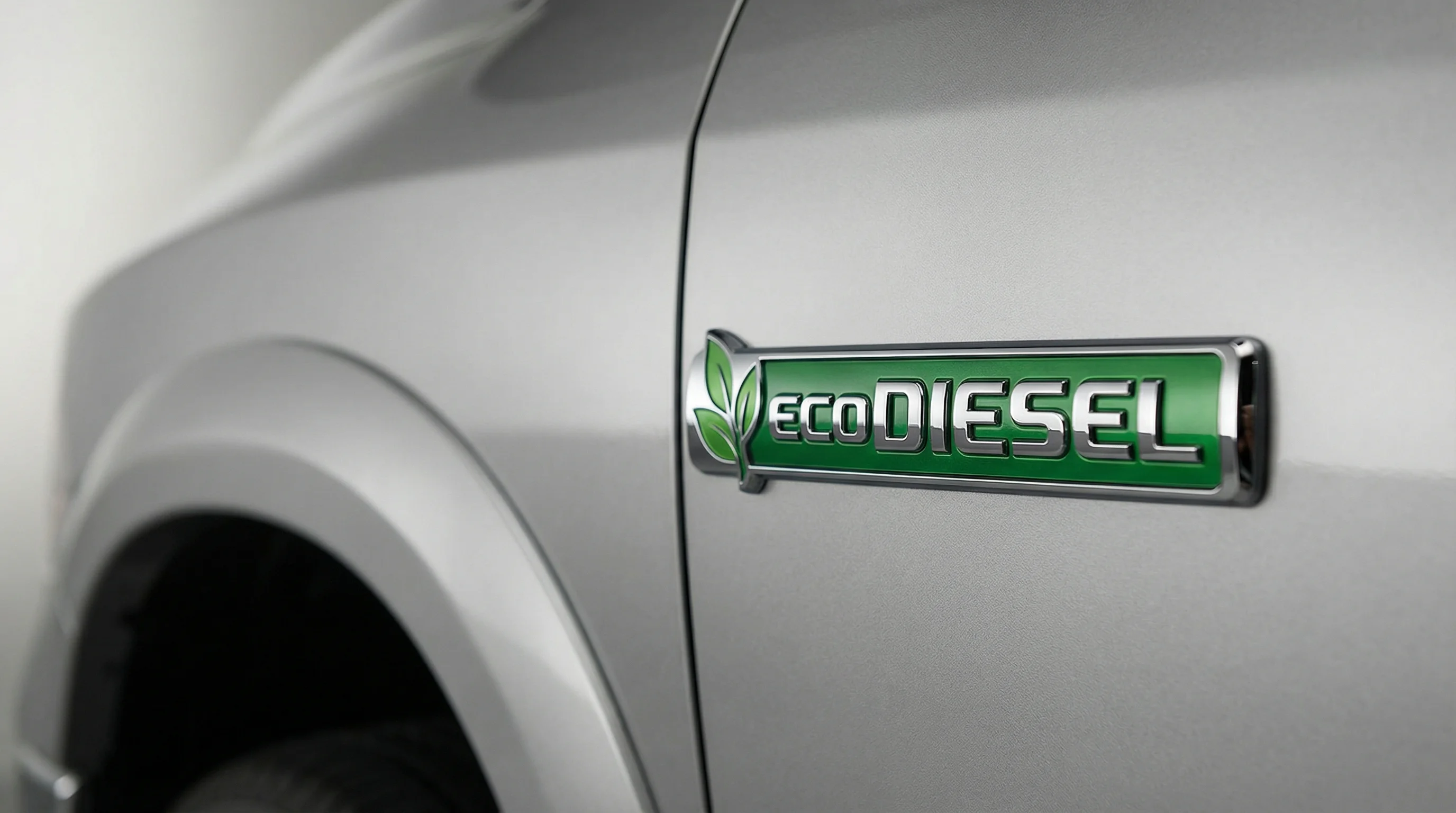
The 3.0L EcoDiesel V6 brought diesel efficiency to vehicles that most people don't think of as diesel — the Ram 1500, Jeep Wrangler, and Jeep Gladiator. It's a different kind of diesel ownership than a ¾-ton work truck. EcoDiesel owners typically chose the engine for fuel economy, towing capability beyond what a gas V6 offers, and highway range that lets them drive from Dayton to the Outer Banks without stopping twice for gas.
The tradeoff is that the EcoDiesel is a precision engine with some well-documented weak points. The emissions system can be finicky, the oil cooler housing is a known failure point on certain model years, and the EGR system requires attention. Many general repair shops in the Dayton area don't see enough EcoDiesel vehicles to be familiar with these patterns.
Murphy's Autocare services the EcoDiesel platform at our Beavercreek and Centerville locations. We've worked on enough of these engines to know what to watch for, what to proactively check during routine service, and how to diagnose the common trouble codes that bring EcoDiesel owners to the shop.
Why Dayton EcoDiesel Owners Choose Murphy's
The EcoDiesel crowd in the Dayton metro is different from the rest of the diesel customer base. These owners didn't buy a heavy-duty work truck — they bought a Ram 1500 for the weekend towing runs, a Jeep Wrangler for the trails at East Fork, or a Gladiator because it was the only midsize diesel pickup worth considering. They're commuting to Wright-Patterson AFB, driving the kids to Centerville soccer games, and taking the truck down to Red River Gorge on three-day weekends. When the DEF system light comes on in the school parking lot, they don't want to hear "you need a new DEF injector" from a general repair shop that's guessing. They want the specific fault code, what it means, what the repair will cost, and whether it can wait until Friday. EcoDiesel owners also bring us oil cooler housing concerns on the Gen 1 trucks — we check for this as a matter of routine because it's the single most common failure we see on this platform, and catching a weeping housing before it contaminates the oil saves thousands.
3.0L EcoDiesel V6
The EcoDiesel is a turbocharged 3.0L V6 diesel engine produced by VM Motori (an Italian manufacturer, now owned by Stellantis). It's been available in two generations:
Gen 1 (2014-2019) — Found in the Ram 1500 and Jeep Grand Cherokee. This generation is known for a few specific issues:
- Oil cooler housing leaks (the housing is made of a composite material that can crack over time, leaking coolant externally or mixing coolant with oil)
- EGR valve failure (sticking, carbon buildup)
- Turbo resonator hose failures
- Emissions-related check engine lights
Gen 2 (2020+) — Found in the Ram 1500, Jeep Wrangler, and Jeep Gladiator. FCA/Stellantis addressed some of the Gen 1's issues, but introduced new ones:
- Updated emissions system with more sensitive monitoring (more frequent DEF-related warnings)
- Revised turbocharger design
- Improved oil cooler, though not completely immune to issues
- Software-related faults requiring updated calibrations
Common EcoDiesel Issues We See
Oil cooler housing leaks — This is the number one issue on Gen 1 EcoDiesels. The composite oil cooler housing develops cracks that allow coolant to leak externally or — worse — mix with engine oil internally. Symptoms include coolant loss, a milky residue on the oil cap, and eventually overheating. The repair involves replacing the housing with an updated part. We check for this during every oil change on a Gen 1 EcoDiesel.
EGR system failures — The exhaust gas recirculation valve and cooler can stick, leak, or develop excessive carbon buildup. This is common on both generations and causes rough idle, check engine lights, and reduced fuel economy. We clean or replace EGR components based on the specific condition.
Emissions and DEF system warnings — The EcoDiesel's emissions system is complex and sensitive. Check engine lights related to the DPF (diesel particulate filter), DOC (diesel oxidation catalyst), DEF dosing system, and NOx sensors are common. Some of these require physical repair; others can be resolved with a software update. We diagnose first before recommending parts.
Turbocharger issues — Both Gen 1 and Gen 2 can develop turbo problems, though the specific failures differ. Loss of boost pressure, wastegate faults, and overboosting conditions are the most common. We test turbo function directly rather than replacing based on fault codes alone.
Fuel system concerns — The EcoDiesel's high-pressure fuel system is generally reliable, but fuel injector issues can occur on higher-mileage engines. Symptoms include rough idle, misfires on specific cylinders, and excessive exhaust smoke. We can isolate the affected injector through contribution testing.
EcoDiesel Services We Perform
Maintenance:
- Diesel oil & filter changes (correct European specification for the VM Motori engine)
- Fuel filter replacement
- Air filter service
- Cooling system inspection and flush
- DEF fluid service
- Oil cooler housing inspection (Gen 1, every service visit)
Diagnostics & Repair:
- Check engine light diagnosis with EcoDiesel-specific code interpretation
- Oil cooler housing replacement (Gen 1)
- EGR system repair (valve, cooler, cleaning)
- DEF system diagnosis and repair
- DPF and DOC diagnostics
- Turbocharger diagnostics and repair
- Fuel injector testing and replacement
- Software update verification
Frequently Asked Questions
Is the EcoDiesel a reliable engine?
The EcoDiesel is a capable engine, but it does have some well-known weak points — particularly the Gen 1 oil cooler housing. With proper maintenance and proactive attention to known failure areas, many EcoDiesels run well past 150,000 miles. The key is staying on top of the unique maintenance items (fuel filters, correct oil specification, DEF system) and addressing issues when they first appear rather than waiting.
How often should I change the oil in my EcoDiesel?
The manufacturer recommends oil changes based on the oil life monitor, which typically indicates every 10,000 miles under normal conditions. However, if you tow frequently or make mostly short trips, a 7,500-mile interval is more conservative. The EcoDiesel requires a European-specification oil (typically ACEA C3) — not all diesel oils qualify. We stock the correct oil and filter for this engine. Call 937-426-2886 for a quote.
My EcoDiesel has a "Service DEF System" warning — what does that mean?
This warning can mean several things: the DEF quality sensor has detected a problem, the DEF heater circuit has failed (common in cold weather), the DEF injector is clogged or crystallized, or the NOx sensor readings are out of range. Like other diesel trucks, the EcoDiesel will progressively limit speed and eventually prevent restart if DEF warnings aren't addressed. The diagnostic process involves reading the specific fault codes and testing individual components — we don't just throw parts at it.
Do you service Jeep Wrangler and Gladiator EcoDiesels?
Yes. The Jeep Wrangler and Gladiator with the 3.0L EcoDiesel (2020+) use the Gen 2 version of the engine. These are relatively new to the market, and many owners are experiencing their first diesel maintenance or their first diesel problem. We can walk you through what's different about maintaining a diesel Jeep versus a gas one, and set you up on the right service schedule.
Murphy's Autocare services EcoDiesel engines at both Dayton-area locations. Call Beavercreek at 937-426-2886 or Centerville at 937-433-0140. View all diesel services →
Give Us a Call to Schdule Your AppointmentWe help keep your diesel vehicle on the road with our Diesel Services
- Diesel oil & filter changes (all weights)
- Fuel filter replacement
- Air filter & induction system service
- Cooling system service
- Oil pump belt service (3.0L Duramax)
- Check engine light diagnosis
- Low oil pressure diagnostics
- Fuel system testing
- Turbocharger diagnostics & replacement
- Glow plug & starting system service
- Injector replacement
- EGR system repairs
- DEF system diagnosis & repair
- High-pressure fuel system repairs
Common engines we service: 3.0L Duramax (Mini Max), 6.6L Duramax, 6.7L Powerstroke, 6.7L Cummins, EcoDiesel platforms
Murphy's Autocare's ASE Certified Technicians are qualified to perform factory scheduled maintenance on all Foreign, Domestic, and Hybrid models. We will also work with you to determine the ideal scheduled maintenance for your vehicle.
- Factory Scheduled maintenance programs: 30K, 60K, 90K+
- Safety & Emissions Inspections
- Trip Inspections
- Maintenance Inspections
- Check Engine Light Diagnostics
- Oil changes: Synthetic, High Mileage, and Diesel
- Fluid Flushing Services: Transmission, Brake, Power
- Steering, Anti-freeze, Differential, Transfer case.
- Air Conditioning system maintenance
- Engine Tune-up
- Timing belt service
- Filter replacement
- Belts and Hose replacement
- Fuel injection system cleaning for gas and diesel
- Battery replacement
- Brake pad and shoe replacement
- Software up-dates, Re -flashing of PCM, BCM
- Pre-Purchase Inspections
- Fleet Solutions for Lubricant and Fluid Analysis
- Spectro Scientific MircoLab30 Oil Life Analysis
We help keep your vehicle on the road with our Repair Services. We offer a full line of repair services, including engine repair, transmission repair, brake repair, and more for all on foreign and domestic cars, foreign and domestic trucks, ATV's, RV's, and lawn equipment.
- Diagnostic services for all systems.
- Check Engine Light service
- All Major to Minor repairs
- Engine repair and Replacement
- Emission Controls
- Transmission repair and replacement
- Clutch service and replacement
- Differential repair and replacement
- Electrical system diagnosis, repair and replacement.
- A/C diagnosis and repair
- Heater system diagnosis and repair
- Radiator and Cooling system service and repair
- Suspension Diagnosis and component replacement
- Alignment, Two and Four wheel, modified and altered vehicles
- Exhaust repair and replacement
- Struts and shock replacement
- Window glass and door electrical repair
- Windshield replacement
- Sun roof repair
Murphy's Autocare is Dayton's Number 1 tire sales and service center with a complete line of quality tires and services. We also offer a full line of tire services, including tire sales, tire repair, tire rotation, tire balancing, and tire installation for all on foreign and domestic cars, foreign and domestic trucks, ATV's, RV's, and lawn equipment.
- New tire sales, all major brands
- Tire and Wheel vibration diagnosis
- Tire Rack recommended installer
- Tire and Wheel Balancing
- Tire Rotation
